The World Museums' most unusual plants
From the macabre corpse flower to the microscopic diatom, we take a look at the most unique plants in our collection.

World Museum has over one million natural history specimens from around the world, including 400,000 plants and fungi. Starting with the largest and smelliest flower in the world, as you do, we take a look at these weird and wonderful plants.
The Corpse Flower


Deep in the rainforests of South Asia, grows the plant Rafflesia arnoldii. It grows the single largest flower in the world. The flower grows up to a meter in diameter, weighs up to 11kg and is also known as the Corpse Flower, because of its awful smell!
The image above comes from our botanical prints and drawings collection. Dating back to 1888, it is the first published image of Rafflesia arnoldii.
The drawing for this engraving was made by Franz Bauer (1758-1840). Bauer was the first botanical illustrator at the Royal Botanic Gardens, Kew. He was also appointed ‘Botanic Painter to His Majesty’ King George III.
You can currently see a life-size photograph of the Rafflesia arnoldii plant, along with a coloured edition of this engraving, in the exhibition Lost at Sea! Raffles and the Wildlife of Southeast Asia.
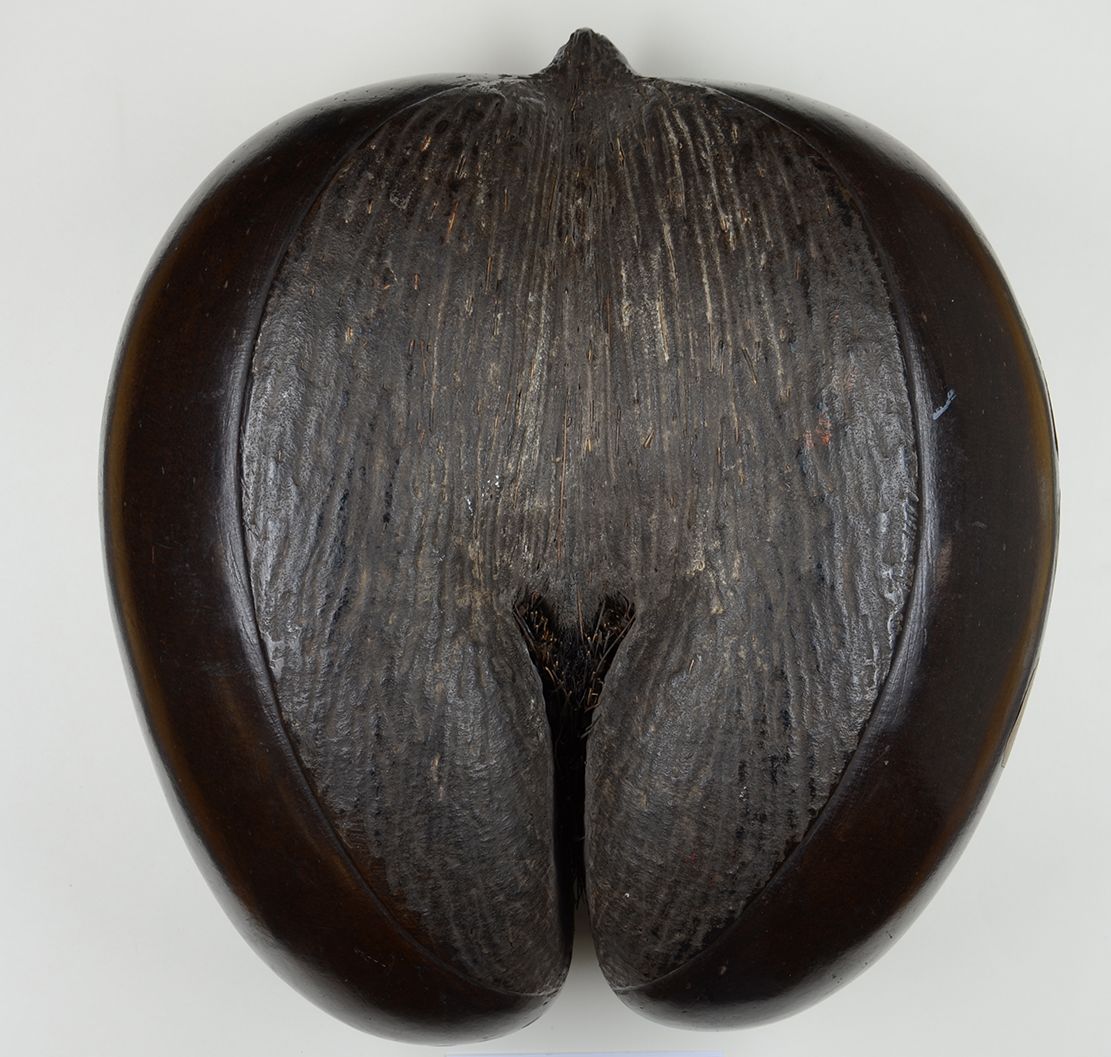
The biggest seed - Coco de Mer

Coco de Mer translates to coconut of the sea and grows from the palm tree, Lodoicea maldivica. Weighing up to 25kg, these seeds are the heaviest in the world.
Like its relative the coconut, the seed grows into a Palm tree and belongs to the plant family Arecaceae.
The Coco de Mer palm tree only grows on two of the Seychelles islands in the Indian Ocean. Sadly, it has become extinct from three other islands in the group. With only around 8,000 wild mature palms left, the Coco de Mer is an endangered species.
The wood of life

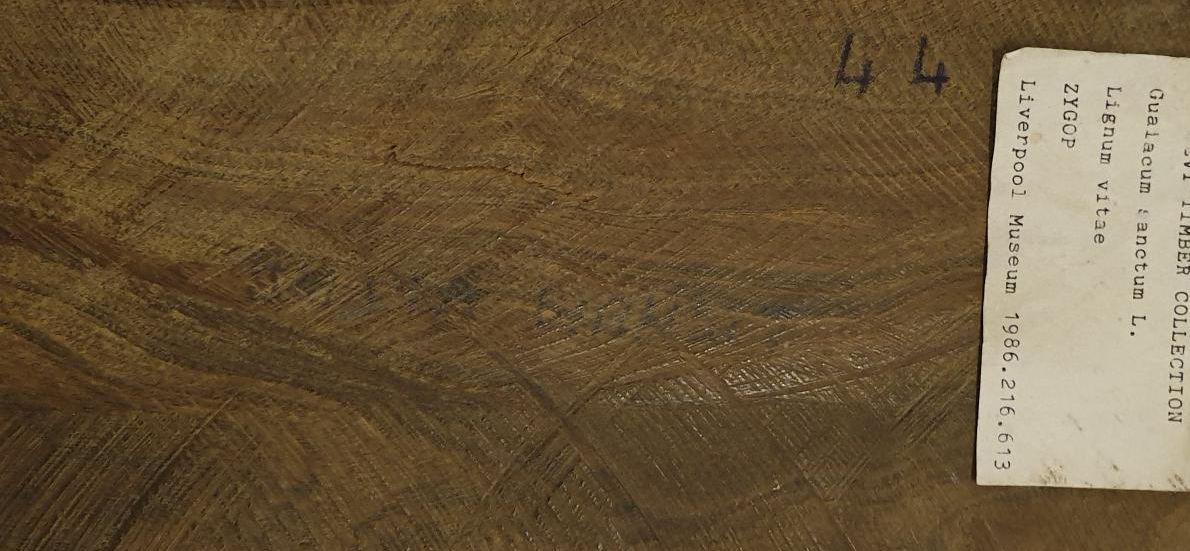
The plant Guaiacum sanctum produces the hardest and heaviest wood in the world, which easily sinks in water. It is known as Lignum Vitae, meaning ‘wood of life’, because its resin was once used as a medicine.
Due to its great strength and natural oiliness, Lignum Vitae wood has been used to make propeller shaft bearings in ships, pulleys, axles and bowling balls. This great strength, and the fact it is such a slow-growing timber, means it is a very valuable timber.
It is now classed as a ‘near threatened’ species in the wild, due to harvesting and deforestation.
The specimen of Lignum Vitae pictured above is one of over 11,000 timber samples in World Museum’s botanical collection.
The smallest specimens - Diatoms

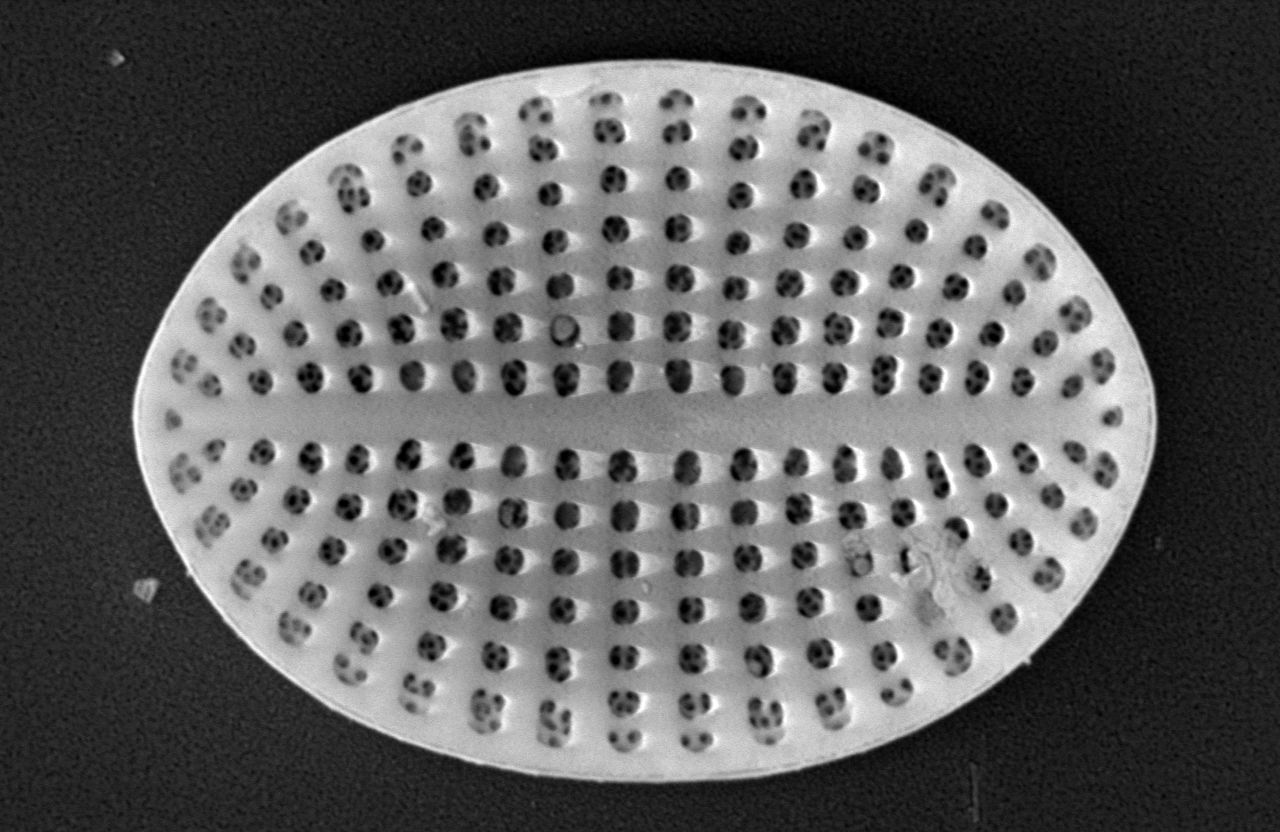
Only properly seen through a microscope, the Diatoms are some of the smallest specimens we hold in the Botany collection. These unicellular algae are around 2µm (0.0002cm).
Diatoms are crucially important as they form the basis of the aquatic food chain, and many organisms rely on them to survive. Marine diatoms are responsible for around 20% of the oxygen we breathe.
Marine diatoms are responsible for around 20% of the oxygen we breathe.
The specimen above is one of around 3,000 diatom samples in our collection. The diatom shown here is from the genus Cocconeis and the image was taken using a scanning electron microscope.
These are just some of the exciting plants in our collection, which you can explore online here.
 Built with Shorthand